
Making important decisions
14 December 2025

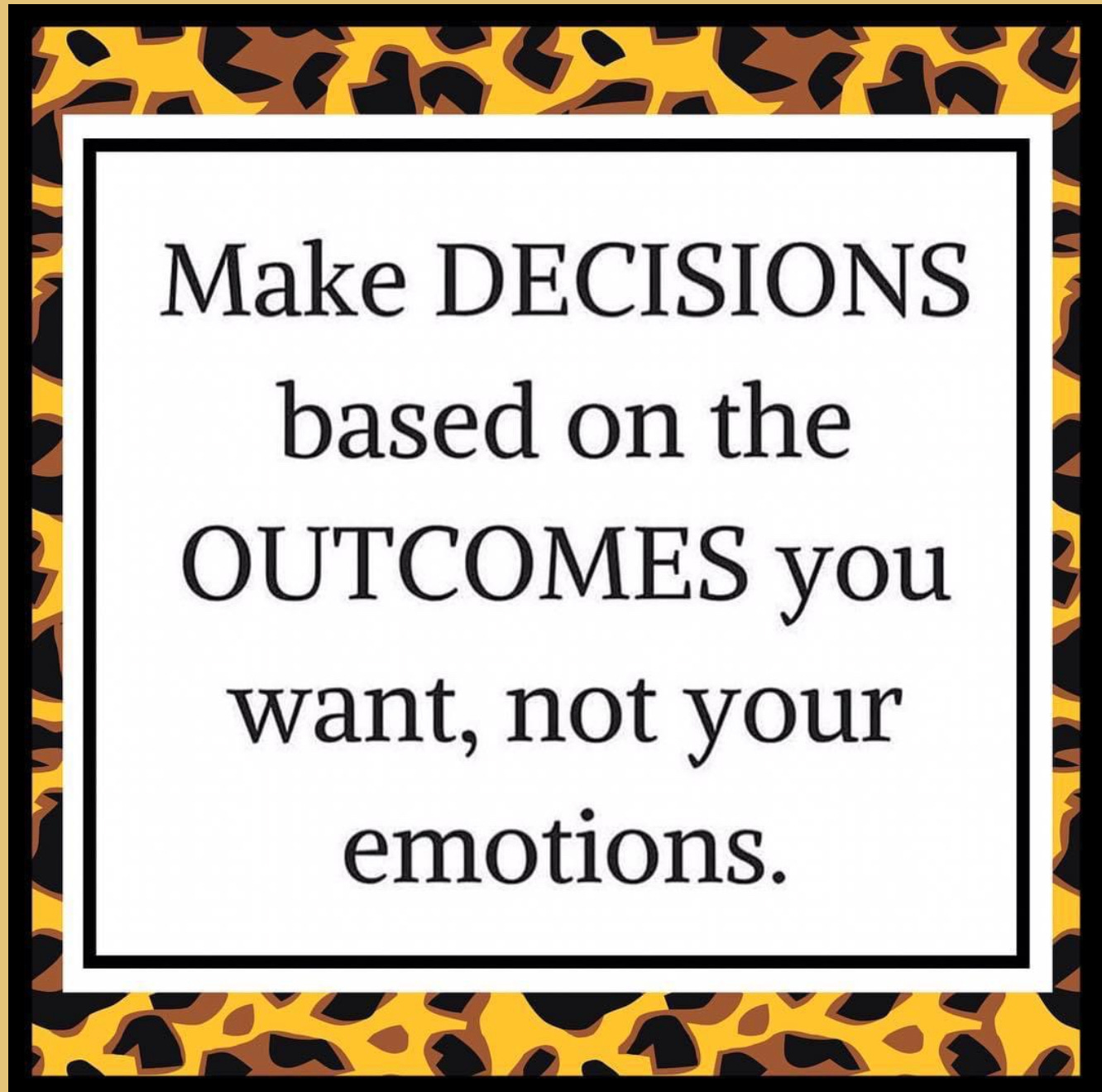
I am often struck by how intelligent people can focus on the wrong factors when making important decisions. In my view, the best approach is to decide in advance what the most important implications of a choice are and to concentrate on those. Yet many people consistently allow emotionally charged considerations, ones that may feel urgent or personal, to outweigh the factors that truly matter in the bigger picture.
This is especially relevant when choosing political candidates. The “big picture” should be how candidates’ policies and actions will affect the country or state. Yet I’ve often heard people say they wouldn’t vote Democratic because of how Democrats treated Bernie Sanders. While I understand their frustration, this concern is minor compared with the significant policy differences between, for example, Harris and Trump. Similarly, some people abstained from voting or voted against Democrats because of their feelings about the war in Gaza, seeking to “punish” the party. But the real question is which party is likely to act in accordance with one’s priorities, not how one feels about them personally. For those with a major interest in Palestine, it is hard to argue that Trump would advance their interests more than Harris.
This tension between what is important and what is emotionally compelling shows up in many areas of decision making. We cannot, and should not, ignore our emotions, but we can recognize that emotionally charged impulses are often not the best guide. Being aware of how our feelings influence decisions can help us act more wisely.
My political blog focuses on what you can or should do to make the world a better place and yourself a better person. I have another blog on Cancer and Medicine.
I read all your comments (except hate speech) and try to respond briefly, although I can’t keep up a long conversation.
The index to my political essays since 5 November 2024 is here.
What you can do today:
Follow me at:
LinkedIn: https://www.linkedin.com/in/nat-pernick-8967765
Threads or Instagram: npernickmich
BlueSky: natpernick.bsky.social
Email me at Nat@PathologyOutlines.com.
I also publish Notes at https://substack.com/note. Subscribers will automatically see my notes.
Great framing on the emotions-vs-outcomes tension. The Bernie Sanders example nails it because it shows how grievance can override material interest. I ran into this alot during organizing work where folks would prioritize symbolic wins over actual policy change. The trickiest part is that emotional reasoning feels like moral clarity in the moment, but policy outcomes are what actualy shape lives over time.
I agree with you about emotions being a driver in decisions. But I think many were in awe of Trump’s rich lifestyle, his beautiful wife, etc.. They looked at the physical, not the most important aspects: his integrity, his morals, his knowledge, his experience, his associations, his loyalty, his dedication to our democracy, our constitution, our laws and our allies.
The show, “The Apprentice” did such a disservice to our country because people believed it was REAL. In reality, the the producers TOLD Trump what to do and say.
They aimed to present Trump as a successful businessman, despite his ACTUAL failure as a businessman with Trump’s SIX bankruptcies. Because they signed NDA’s they were unable to reveal this until they expired.
Also revealed on the set - his racist comments.
The voters either ignored the above (or weren’t informed) about Trump’s:
1. Association with the mafia;
2. Association with Russia;
3. Association with corrupt, lawless, people;
4. Being a very poor student, not a reader;
5. Bullying behavior;
6. Being UNLOYAL to almost everyone;
7. Being UNFAITHFUL to ALL his wives;
8. Cheating on his taxes;
9. Being a narcissistic personality so much so that psychiatrists came forward to announce he was “UNFIT” to run for the presidency;
10. Ignoring the laws;
11. Vengeful personality; threatened people and had them harmed to get his way;
12. Thinking only in terms of what is best for HIMSELF and how he can achieve it whether it is illegal, immoral or unethical.
13. Not considering (or caring), what is best for everyone, for our country and for our planet in the long term.