
Being medically organized to reduce cancer deaths
8 May 2026

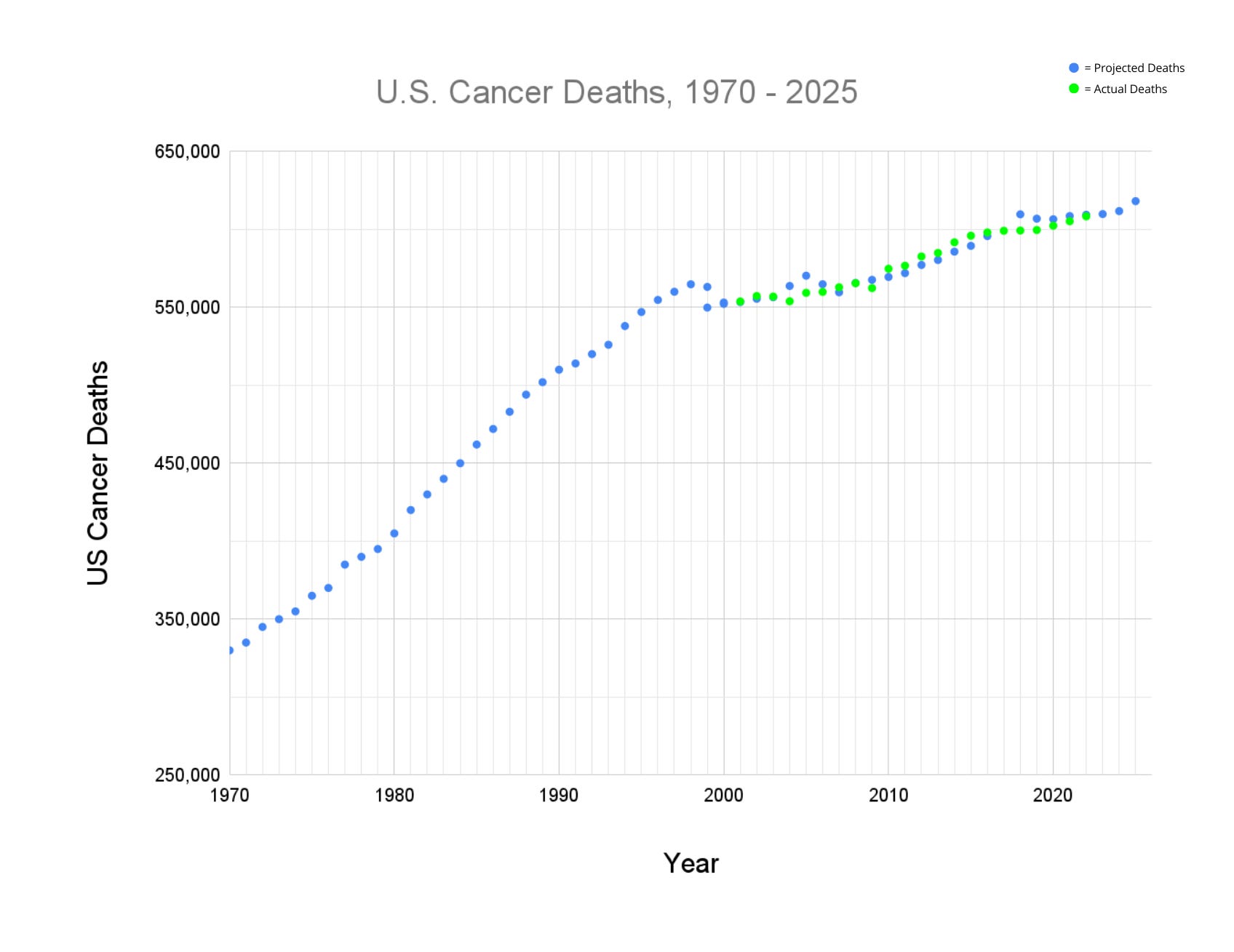
My strategic plan to substantially reduce U.S. cancer deaths from the current 600,000 per year to 100,000 per year includes many goals that we do not yet know how to achieve, but also some that we can implement right now.
One recommendation states: “We need to instruct patients on avoiding medical misinformation, how to stay organized regarding medical treatment and how to develop good medical judgment.”
My recent experience with male breast cancer emphasized for me how important it is to stay organized during medical treatment. Managing a serious illness can feel like a part time job. I needed to:
• Keep track of all pending appointments for physician visits and tests
• Manage changes to my medications
• Monitor possible side effects from treatments and medications
• Study each proposed treatment and medication to determine whether it made sense to me; if not, discuss it with my physicians
• Ask questions about my current and possible future medical care
As a pathologist, I have major advantages compared with most patients. Even so, I still made mistakes.
I was prescribed tamoxifen to reduce the risk of breast cancer recurrence. Tamoxifen is known to increase the risk of blood clots. I assumed that because I was active and exercised regularly, this would not be a significant problem for me, so I did not pay enough attention to that risk.
When I later developed shortness of breath, it never even occurred to me that it could represent a tamoxifen induced blood clot. I did go to Urgent Care and was ultimately hospitalized for pulmonary emboli, which almost killed me. I do not know whether additional awareness on my part would have changed any of this, but it troubles me that I did not even consider the possibility or mention it to my physicians.
I recently read an article describing new lung cancer treatments that many patients do not even know exist, and therefore never pursue. That is another aspect of organization: making sure you know of and seek appropriate medical care and explore available options rather than simply giving up.
If you have a serious medical condition, make sure to set aside enough time to manage it properly. You may even want to start organizing your medical information now. I created a personal medical history document listing all of my medical issues, recent test results and every medical visit. It is on my phone so I can review it at any time - I know I cannot remember it all.
If you have suggestions for staying organized during medical care, please share them in the comments.
My political blog focuses on what you can or should do to make the world a better place and yourself a better person. I have another blog on Cancer and Medicine.
I read all your comments (except hate speech) and try to respond briefly, although I can’t keep up a long conversation.
The index to my political essays since 5 November 2024 is here.
What you can do today:
Follow me at:
LinkedIn: https://www.linkedin.com/in/nat-pernick-8967765
Threads or Instagram: npernickmich
BlueSky: natpernick.bsky.social
Email me at Nat@PathologyOutlines.com.
I also publish Notes at https://substack.com/note. Subscribers will automatically see my notes.